Table Of Content

From the family room, one more step down led to a sunroom that had been built over a deck. Upstairs, also on two levels, was a master bedroom with a dressing area and a small bathroom along with two bedrooms and a shared bath. It is not unusual to find hybrid houses that combine Cape Cod features with Tudor cottage, Ranch styles, Arts and Crafts or Craftsman bungalow. A "bungalow" is a small home, but its use is often reserved for a more Arts and Crafts design. The Cape Cod house style is a beloved architectural design that captures the timeless charm and coastal elegance of New England.
How they became the quintessential American style
Their Cape Cod Home Isn't Small, but Its Carbon Footprint Is - The New York Times
Their Cape Cod Home Isn't Small, but Its Carbon Footprint Is.
Posted: Fri, 01 Dec 2023 08:00:00 GMT [source]
They offer practical drainage and height for the half-story typically included in a Cape Cod home. Our capes generally feature a broad, single-story building with a front door and chimney in the center of the roof. Depending on the position of the front doors and multi-pane glass windows on the facade, Cape Cod homes further segregate their design styles into single, three-quarters, and full cape. However, there are a few common design characteristics in each that unite into one strong architectural design style called the ‘Cape Cod Style’.
Cape Homes
Most of the houses are comparatively smaller, ranging from 1000 to 2000 square feet in size. Similar to half-cape homes, the three-quarter style capes feature an entry door on the one side with two multi-paned windows as well as one multi-paned window on the other side. The three-quarter was the most popular style cape in the late 18th and 19th centuries. Cape Cod houses originate in New England from the late 17th century to the end of the 19th century. These homes were built with complete practicality, affordability, and efficiency in mind.
Next Up In Curb Appeal
See the Most Expensive Home for Sale on Cape Cod - Boston magazine
See the Most Expensive Home for Sale on Cape Cod.
Posted: Tue, 13 Feb 2024 08:00:00 GMT [source]
Although the style faded a bit in popularity, it found a resurgence in the early to mid-1900s when it was called Cape Cod Revival. Even though the styles were separated by about a century, they still share several commonalities, including a conspicuous lack of exterior details. A close relative of the Colonial-style homes scattered across the East Coast and the South, Cape Cod houses were an economical answer to Americans' desires to be homeowners.
Full Capes
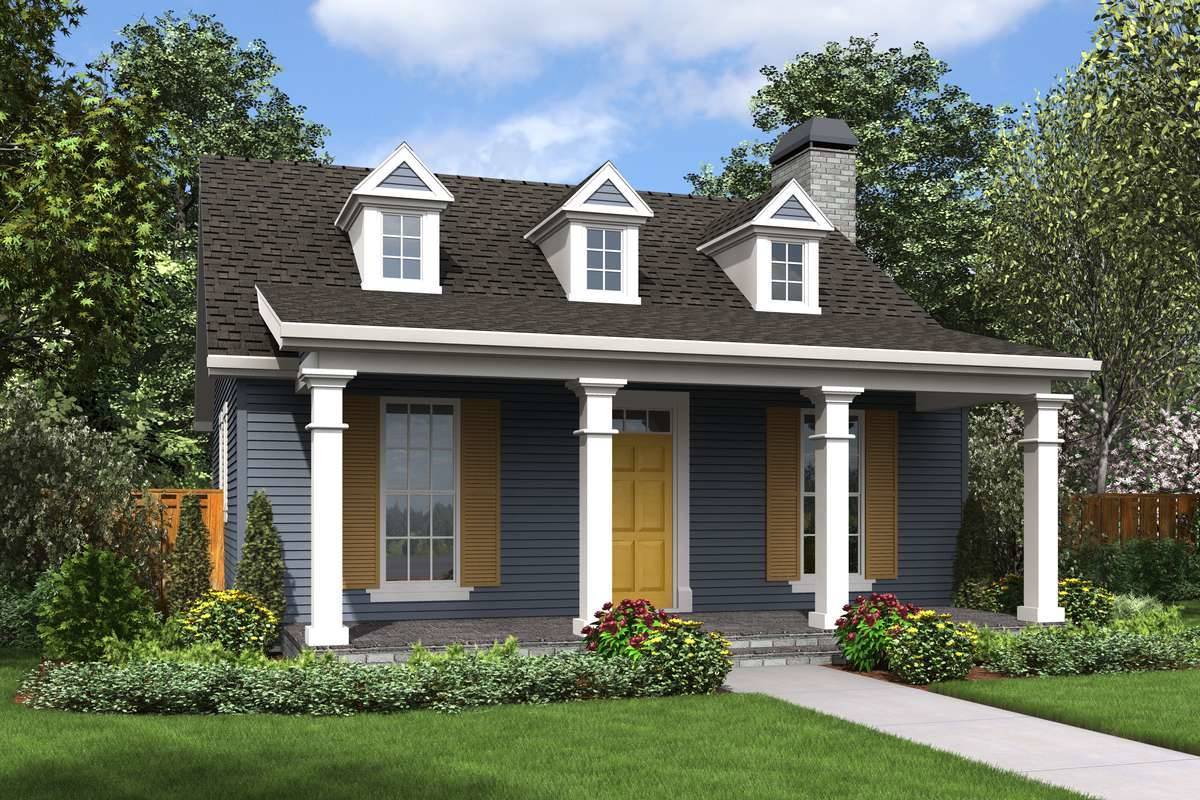
Shiplap is a typical exterior siding style that got its name for looking like the wood planking of a ship's siding. Since Cape Cod homes are heavily nautically influenced, try shiplap or beadboard horizontal or vertical panels for interior rooms. This wall paneling adds rustic warmth, giving any room a cottage-like feel. The layout usually centers around a large central fireplace and the common room or kitchen, with the bedrooms, pantries, parlor, and rear entry branched off the central kitchen. A traditional Cape Cod layout includes one main living space with the common room also used as the family or living room. A typical home has two to three bedrooms and a big central fireplace to gather around with family, friends, and guests.
Plants, Pots, and Placement: 17 Expert Tips for Designing and Displaying Plants in Your Home
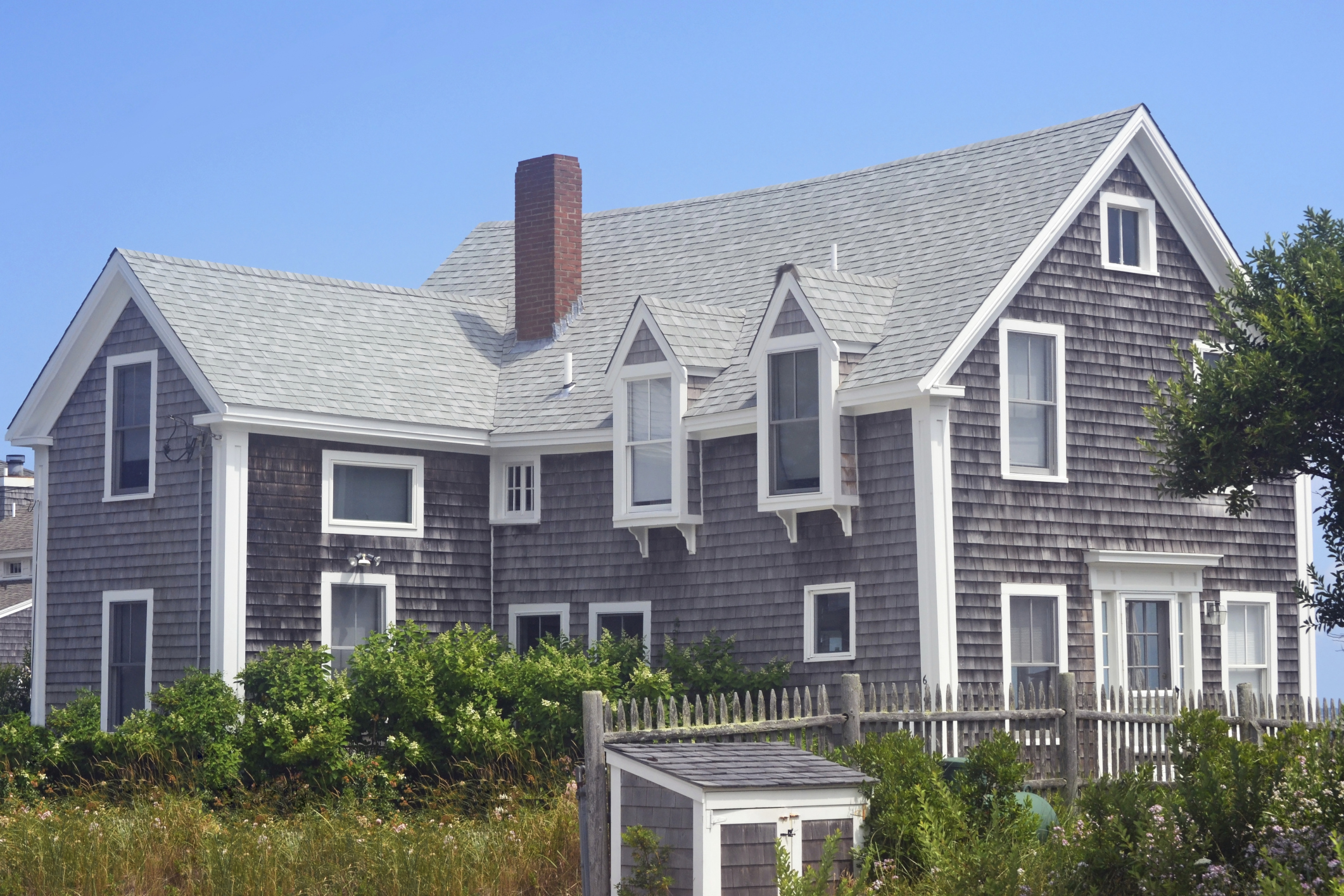
European immigrants to the New World brought building skills with them, but their first dwellings were more Primitive Hut than bold, new architectural style. The first houses in the New World, like in the settlement at Plimoth, were simple post-and-beam shelters with one opening—a door. Settlers used the materials at hand, which meant one-story houses of white pine and dirt floors. They quickly realized that their own ideal of the English cottage would have to be adapted to the extremes of the New England climate. The house shown here is a five-bay, with shutters on the windows and the doorway—architectural details that define a homeowner's personal style. The side chimney and one-car attached garage are telling details for the age of this home—a time when the middle class flourished and prospered.
How to Get the Cape Cod House Look in Your Home
As Wright explains, Cape Cod houses are often imagined as the classic American beach house. Traditionally, they’re small, single- or one-and-a-half-story homes with steeply pitched, side-gabled roofs, central chimneys, dormer windows, and clad in shingles. “It’s got either shingle siding or white clabbered siding, a single story in the front, a central front door, and a big roof sometimes with dormers,” Wright says. Often built around simple, rectangular floor plans, their shape is nearly identical to the silhouette a child might come up with if prompted to draw a house. The Cape Cod originated in the early 18th century as early settlers used half-timbered English houses with a hall and parlor as a model, and adapted it to New England's stormy weather and natural resources.
Just like the dream we have of the seaside cottage, the soldiers coming back from World War II had the dream of families and home ownership. Everyone knew Cape Cod, nobody had heard of Cape Ann, so developers invented the Cape Cod style, loosely based on reality. As Americans migrated from east to west, the Cape Cod design and construction moved with them. This is why Cape Cod houses are more often found in colder, snowier climates throughout New England in cities like Manchester, NH, Boston, MA, Cranston, RI, and Stamford, CT. In other areas of the United States, the Cape Cod-style is often mixed with craftsman elements, ranch, or Tudor design. On a grand scale, Victorian houses are instantly recognizable for their multi-colored exteriors, turrets, gables, gingerbread details, and substantial wraparound porches.
Ocean View French Villa with Rooftop Terrace
Some of the Cape Cod homes are also large enough to accommodate garages and extended master bedrooms and baths for a larger family. Many 20th century Cape cod homes opt for a different exterior paint color palette than those built earlier. Nowadays, Cape cod homes use exterior paint colors that lean conservative in style.
Use a contrasting color to outshine your shutters and make your house stand out. Meanwhile, if there is a bedroom on the upper floor, adding dormers for natural lighting is a good way to enhance the charming beauty of a Cape Cod house. This allowed for a fireplace in each room that connected to a single chimney stack. Over time, as other methods of heating were introduced, the fireplaces were often relegated to the gable ends. “The house needs some New England charm,” says architect Jeff Troyer, who gives it a style boost with a blue-and-white color scheme, a caged entry light, detailed garage doors, and more.
The architectural style of the first houses near and on Massachusetts' Cape Cod, like what you can see at Plimoth Plantation, 404 has long been the starting point for designing the American home. The architecture defines a people and a culture—unadorned, functional, and practical. The most obvious difference between today's Cape Cod style and an equivalent true colonial home is the addition of the dormer. Unlike the American Foursquare or other Colonial Revival house styles with one centered dormer on the roof, a Cape Cod style will often have two or more dormers. On the colonial East Coast, Cape Cod homes were heated by a single fireplace with a chimney rising from the center of the house.
Likewise, just because a house is in Cape Cod, that doesn’t necessarily mean it falls within the style. Generally, any home that makes use of the architectural elements outlined above could be called a Cape Cod house. Still, these homes are most often found throughout the New England coast including areas like Cape Cod; Martha’s Vineyard; Nantucket; Watch Hill, Rhode Island; or even the Hamptons in New York. White paint and black shutters was a popular pairing during the Cape Cod revival. However, you can always reinvigorate your façade with a different combination. A fresh coat of paint has the power to make or break a space, but don’t worry; when it comes to Cape Cod houses, it’s perfectly fine to keep your color palette simple.
Cape Cod-style homes were built throughout New England into the mid-1800s, when Victorian houses eclipsed them in popularity. But in the first few decades of the 20th century, the United States as a whole saw a revival of colonial-era architecture, including the classic Cape Cod cottage. As Peter points out, "Americans, swept by a renewed fascination with their country's past, were drawn to the architectural traditions of early settlers." In reality, the history of what we call the Cape Cod style is not a pure and simple revival story, but more of a survival story.
When choosing windows and doors for your Cape Cod house, consider maintaining the style’s traditional and symmetrical aesthetic. Opt for window and door styles that evoke a sense of timeless elegance while providing functionality and durability. The windows and doors will not only enhance the architectural charm of the house but also contribute to its overall curb appeal and visual impact. American Colonial architecture is an umbrella term encompassing Cape Cod homes. A traditional Cape Cod floor plan includes a living room, kitchen, and bath downstairs with two small bedrooms upstairs.
Cape Cod architecture was named for the Massachusetts coastal region where Puritan carpenters settled at Cape Cod Bay in the 1700s. These craftsmen built simple, one-story homes designed to withstand the harsh, windy climate, using easy-to-find building materials like oak, pine, and cedar. The original rectangular footprint had low ceilings and a large central fireplace and chimney to provide warmth for the whole structure over the long, cold winters. Closely related to the Colonial-style home, the Cape Cod house was designed to be as practical and functional as possible.
They typically tend to be smaller (often having three bedrooms to the Colonial's four or five), and modern Capes are characterized by the dormer windows that are less common to newer Colonial homes. Inside, the external symmetry is kept up with a "center hall" design similar to Colonial styles, but usually with a more modest footprint. The second floor was historically accessible by a steep staircase and was sometimes left unfinished, with the only light coming in through windows at the side of the house. Later styles of Cape Cod homes remedied the issue of having little upstairs light by cutting into the roofline to create dormer windows.


No comments:
Post a Comment